A new mechanism by which chondroitin *1 protects the surface of the eye has been discovered
– potentially supporting the restoration of the eye's "protective layer" that has been disrupted by dry eye.
November 4, 2026
ROHTO Pharmaceutical Co., Ltd. (Headquarters: Osaka City, President: Hidetoshi Segi) and the Graduate School of Advanced Biosciences, Hokkaido University (Professor Hiroshi Hino) have conducted joint research on new functions of chondroitin *1 (hereinafter referred to as CS), which is used in eye drops.
The surface of the eye has a protective layer called the "glycocalix barrier," which is maintained by the interaction of membrane-bound mucin 16 (MUC16) and galectin-3 (Gal-3). This barrier plays an important role in protecting the surface of the eye and maintaining the stability of the tear film. On the other hand, in dry eye, the function of this barrier is reported to be impaired, and it is thought that this leads to discomfort such as a gritty feeling and pain in the eye through instability of the tear film and increased friction from blinking.
In this study, experiments using peptides derived from MUC16 confirmed that CS binds to MUC16-derived peptides via Gal-3.
This study suggests that CS may not only perform its previously known water-retention and lubrication functions, but also play a new role in maintaining the glycocalyx barrier that protects the surface of the eye (Figure 1).
The results of this research were presented at the "Asia Dry Eye Summit 2026" held on September 5, 2026.
*1: Sodium chondroitin sulfate
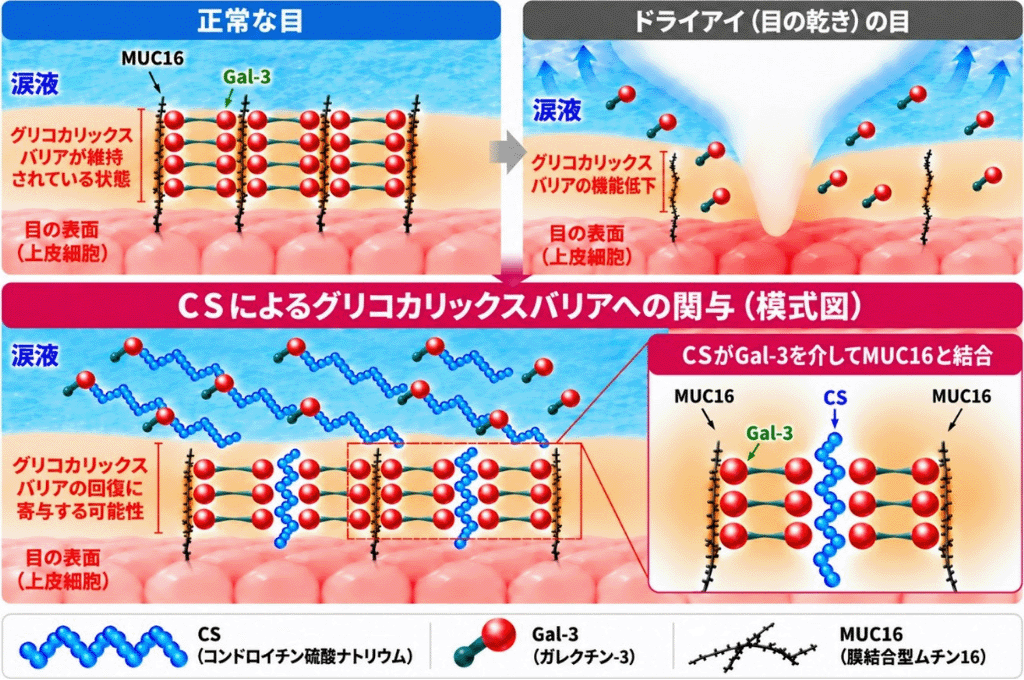
Figure 1: A novel interaction of CS involved in the glycocalyx barrier on the surface of the eye (schematic diagram).
*This diagram is a schematic representation based on experimental results using MUC16-derived peptides. It does not confirm the actual restoration of the eye barrier on the surface.
Key points of the research
- We confirmed that CS binds to MUC16-derived peptides via Gal-3.
- The Gal-3-mediated binding observed in CS was not observed with sodium hyaluronate (HA).
- This suggests a new possibility that CS may be involved in maintaining the glycocalyx barrier, and is expected to contribute to maintaining tear film stability.
Research Background
MUC16, a protein that constitutes the glycocalyx barrier on the surface of the eye, has numerous sugar chains. Gal-3 is thought to play an important role in maintaining barrier function by binding to the sugar chains of membrane-bound mucins such as MUC16 and forming an intermolecular network. In dry eye, it has been reported that the amount and sugar chain state of membrane-bound mucins such as MUC16 change, as well as that Gal-3 in the tear fluid increases. This is thought to be partly due to a weakening of the binding between membrane-bound mucins and Gal-3, making it easier for Gal-3 to detach from the surface of the eye, and it has been suggested that this disruption of interaction may be involved in the decline of glycocalyx barrier function. On the other hand, CS is used in eye drops as an ingredient with water-retaining and lubricating properties, and it has also been reported to bind to Gal-3. However, how CS interacts with MUC16 via Gal-3 has not been sufficiently clarified.
Therefore, in this study, we focused on the possibility that CS binds to MUC16 via Gal-3 and investigated the interaction of the three to clarify its relationship with the glycocalyx barrier. Furthermore, we also investigated whether HA, which is a type of high molecular weight polysaccharide like CS and is widely used in eye drops for the treatment of dry eye, also binds to MUC16 via Gal-3.
Study conclusion
1. Confirmed that CS binds to MUC16-derived peptides via Gal-3.
To verify that CS binds to MUC16 via Gal-3, Gal-3 and medium molecular weight CS (approximately 25 kDa, 1%) or high molecular weight CS (approximately 50 kDa, 1%) were reacted with MUC16-derived peptides immobilized on a microarray. Subsequently, the CS retained on the MUC16-derived peptides was detected using an anti-CS antibody.
As a result, the addition of CS increased the binding signal, confirming that CS binds to MUC16-derived peptides via Gal-3 (Figure 2).
These results suggest that CS may be involved in intermolecular interactions with MUC16 via Gal-3, indicating a new involvement with the glycocalyx barrier on the surface of the eye.
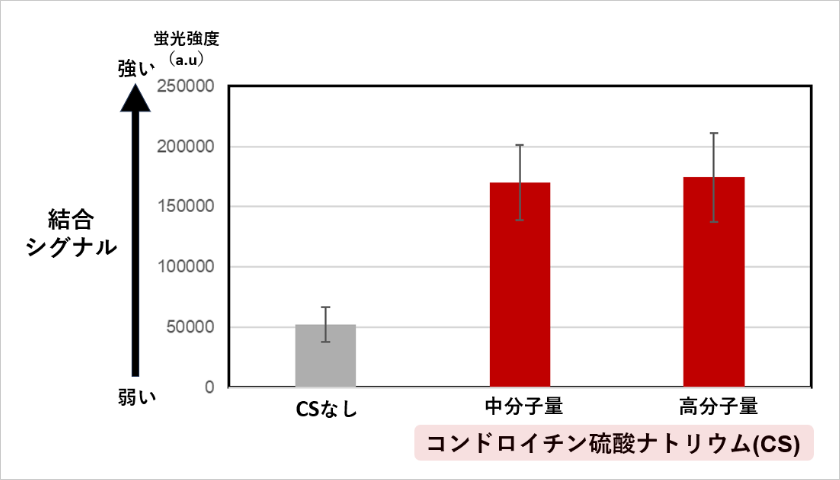
Figure 2: Evaluation of CS binding to MUC16-derived peptides via Gal-3.
2. The binding of MUC16-derived peptides via Gal-3, which was confirmed in CS, was not observed in HA.
Next, we investigated whether the Gal-3-mediated binding observed in CS could also be observed in HA, another type of high-molecular-weight polysaccharide.
We evaluated the binding of Gal-3-mediated peptides to MUC16-derived peptides using low molecular weight HA (approximately 50 kDa, 1%) and high molecular weight HA (approximately 1,000 kDa, 0.1%). As a result, no clear increase in the binding signal was observed with either HA compared to the condition without HA (Figure 3).
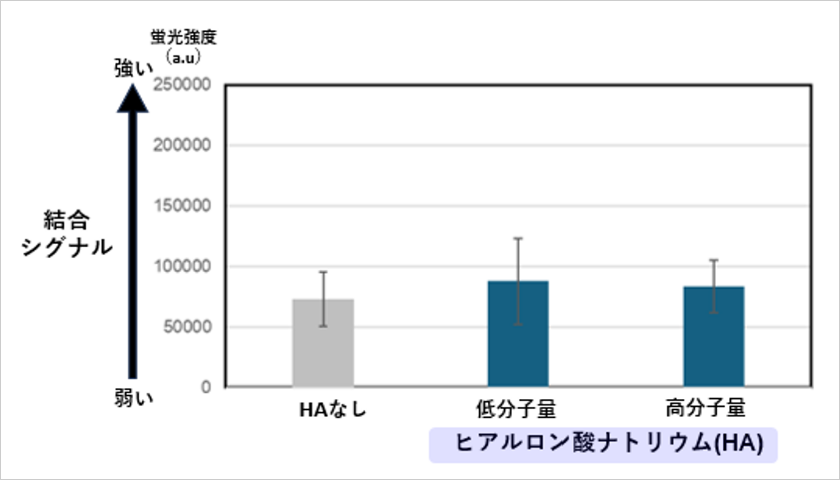
Figure 3: Evaluation of HA binding to MUC16-derived peptides via Gal-3
<Test Method (Common to Research Results 1 and 2)>
The tandem repeat region of MUC16 is characterized by the regular repetition of similar amino acid sequences and the abundance of glycans. Therefore, peptides with and without glycans derived from this region (MUC16-derived peptides) were synthesized and immobilized on microarray slides.
Immobilized MUC16-derived peptides were reacted with Gal-3 and CS or HA, and the CS or HA retained on the peptides was detected using anti-CS antibody or anti-HA antibody, respectively. The resulting fluorescence intensity was used as an indicator to evaluate intermolecular binding in the presence of Gal-3.
(Jointly conducted by Hokkaido University and ROHTO Pharmaceutical Co., Ltd.)
Consideration
This study confirmed a novel intermolecular interaction in which CS binds to MUC16-derived peptides via Gal-3. Previous studies had reported that the interaction between MUC16 and Gal-3 is important for maintaining the glycocalyx barrier, and that CS binds to Gal-3. These results build upon these findings, suggesting that CS may be involved in the intermolecular network with MUC16 via Gal-3.
This suggests that, in addition to its conventional water retention and lubrication functions, CS may also contribute to maintaining the glycocalyx barrier through interaction with MUC16 via Gal-3.
Furthermore, the Gal-3-mediated binding observed in this study was not found in HA, which is also a type of high-molecular-weight polysaccharide like CS. This difference may be related to the sugar chain structure and the presence or absence of sulfate groups in CS and HA, but further investigation is needed to determine the detailed mechanism.
These research findings provide new insights into the potential interaction of CS with the protective layer on the ocular surface, and are considered to be important clues for understanding the role that CS plays on the surface of the eye.
Future outlook
Going forward, we will conduct further research into the detailed molecular mechanisms by which CS, Gal-3, and MUC16 bind, as well as the factors that influence this binding. In the future, we also aim to deepen our understanding of the relationship between these intermolecular interactions and the maintenance of the glycocalyx barrier and tear film stability on the actual ocular surface.
Rohto Pharmaceutical will continue its research into the role that CS plays on the surface of the eye, in order to realize the Rohto Group's overall management vision, "Connect for Well-being & Longevity." By deepening our understanding of its function, we will create new value that supports healthy eyes and contribute to the research and development of technologies and products in the eye care field.
Terminology
- Sodium chondroitin sulfate (CS)
It is a sodium salt of chondroitin sulfate, which is found in cartilage, skin, and eyes in the body, and is a type of sugar chain. It has moisture-retaining properties and is widely used in eye drops and other products.
- Glycocalyx Barrier
It is a protective layer rich in sugar chains that covers the surface of cells. On the surface of the eye, it is composed of membrane-bound mucins such as MUC16 and Gal-3, and it protects the surface of the eye from external stimuli as well as being involved in maintaining the stability of the tear film.
- Mucin
It is a protein with many sugar chains. It is present in tear fluid and on the surface of eye cells, playing a role in lubricating and protecting the surface of the eye.
- Membrane-type mucin 16 (MUC16)
It is one of the representative membrane-bound mucins found on the cell surface of the cornea and conjunctiva. It constitutes the glycocalyx barrier and plays an important role in protecting the surface of the eye and maintaining the stability of tear fluid.
- Galectin-3 (Gal-3)
This protein recognizes and binds to specific sugar chains. It plays a role in linking multiple molecules and, on the surface of the eye, interacts with membrane-bound mucins such as MUC16, thereby contributing to the maintenance of the glycocalyx barrier.