Multiple moisturizing functions were confirmed in phytoexosomes *1 derived from rice fermentation products obtained during the sake fermentation process.
November 17, 2026
ROHTO Pharmaceutical Co., Ltd. (Headquarters: Osaka City, President: Hidetoshi Segi) is engaged in research on "phytoexosomes" *2, which are exosome-like extracellular vesicles derived from plants, microorganisms, algae, etc.
This time, we conducted research on phytoexosomes derived from rice fermentation products obtained during the brewing process of the sake "Dassai," including particle component analysis and research on their moisturizing function. We confirmed increased expression of multiple moisturizing-related genes in cultured epidermal keratinocytes,
In a 4-week human trial, skin moisture content and amino acid levels in the stratum corneum increased compared to before use.
This research reveals new possibilities regarding multiple functions that support the skin's moisturizing ability. The research findings were presented at the International Federation of Societies of Cosmetic Chemists (IFSCC) academic conference "IFSCC 2026," held in Perth, Australia from September 28 to October 1, 2026.
Key points of the research
- Increased expression of multiple moisturizing-related genes was confirmed.
- Confirmation of early repair of damaged epidermal keratinocyte layer
- Human trials confirmed an increase in skin moisture content and amino acid content in the stratum corneum.
Research Background
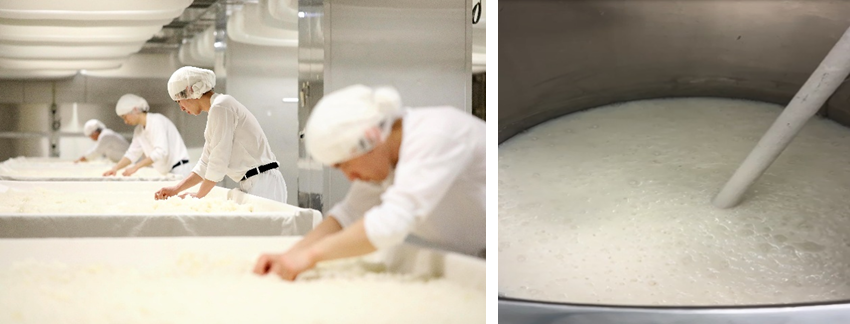
Focusing on microorganisms that thrive in harsh fermentation environments, we are exploring phytoexosomes derived from rice fermentation products obtained from the "sake starter" of Japanese sake.
Our company has conducted extensive research over many years on the moisturizing function, which is crucial for maintaining skin homeostasis.
Among these, we focused on phytoexosomes derived from rice fermentation products, which were discovered and developed through joint research between Dassai Co., Ltd. and Dr. Takahiro Ochitani. Rice fermentation product-derived phytoexosomes are abundant in "shubo," the starter of sake fermentation. In sake brewing, various components such as alcohol and amino acids are produced through the action of microorganisms such as koji mold and yeast, while the yeast responsible for fermentation is exposed to harsh conditions such as an acidic environment and an increase in alcohol concentration as fermentation progresses. Our company is interested in the properties of microorganisms that are active in such environments, and we thought that the phytoexosomes obtained from this process might also have distinctive functions, so we investigated their functionality related to skin moisture.
Multifaceted evaluation of the properties and stability of phytoexosomes derived from rice fermentation products.
When researching new materials, it is crucial to accurately understand not only their functions but also the properties of the material itself, evaluating them in terms of quality, stability, and safety. At our company, in addition to selecting raw materials and manufacturing conditions, we also check characteristics such as particle size and structure to evaluate materials from multiple perspectives. In this study, we confirmed that the phytoexosomes derived from rice fermentation were lipid bilayer vesicles with an average particle diameter of approximately 182 nm, and we also evaluated the changes in particle number and particle size when the raw material was stored. As a result, we confirmed that approximately 90% of the particles remained after a storage period of 6 months at 40°C. Furthermore, when this material, stained with PKH-26, was added to epidermal keratinocytes, we confirmed that it was taken up by the cells.
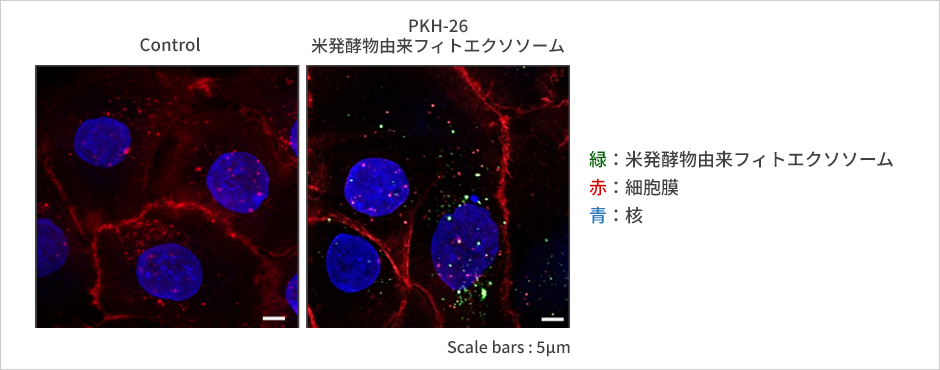
Figure 1: Uptake of phytoexosomes derived from rice fermentation into epidermal keratinocytes
Based on previous research, this study evaluated the expression of multiple genes involved in moisturizing. Furthermore, in human trials, we investigated changes in moisturizing components in the stratum corneum and skin condition, verifying the moisturizing properties of this material from both cell and human perspectives.
result
Result 1: It works on multiple mechanisms that support skin moisture.
Skin moisture is not maintained by a single component, but by a complex interplay of multiple mechanisms. The cell membranes of the epidermis contain aquaporin 3 (AQP3), which serves as a pathway for water and glycerol. Epidermal keratinocytes also produce hyaluronic acid, which holds water. Furthermore, in the stratum corneum, filaggrin (FLG), produced during epidermal differentiation, is progressively broken down by multiple enzymes into natural moisturizing factors (NMF), such as amino acids and pyrrolidone carboxylic acid (PCA).
When epidermal keratinocytes were cultured for 24 hours with phytoexosomes derived from rice ferment, the gene expression of AQP3 and the hyaluronic acid synthesis enzyme HAS3 increased. Furthermore, in a three-dimensional cultured epidermal model, the gene expression of FLG and the enzyme involved in its degradation increased in proportion to the added concentration. These results suggest that phytoexosomes derived from rice ferment may be acting on multiple mechanisms that support moisture, including water transport, water retention component production, and natural moisturizing factor production. These results indicate that this material may act not on a single factor, but on multiple functions related to moisturizing.
| Genes to be evaluated |
The function linked to the evaluated gene |
| ① AQP3 |
Transport of water and glycerol |
| ②HAS3 |
Hyaluronic acid production |
| ③FLG, CAPN1, CASP14, BLMH |
Functions related to amino acid and NMF production |
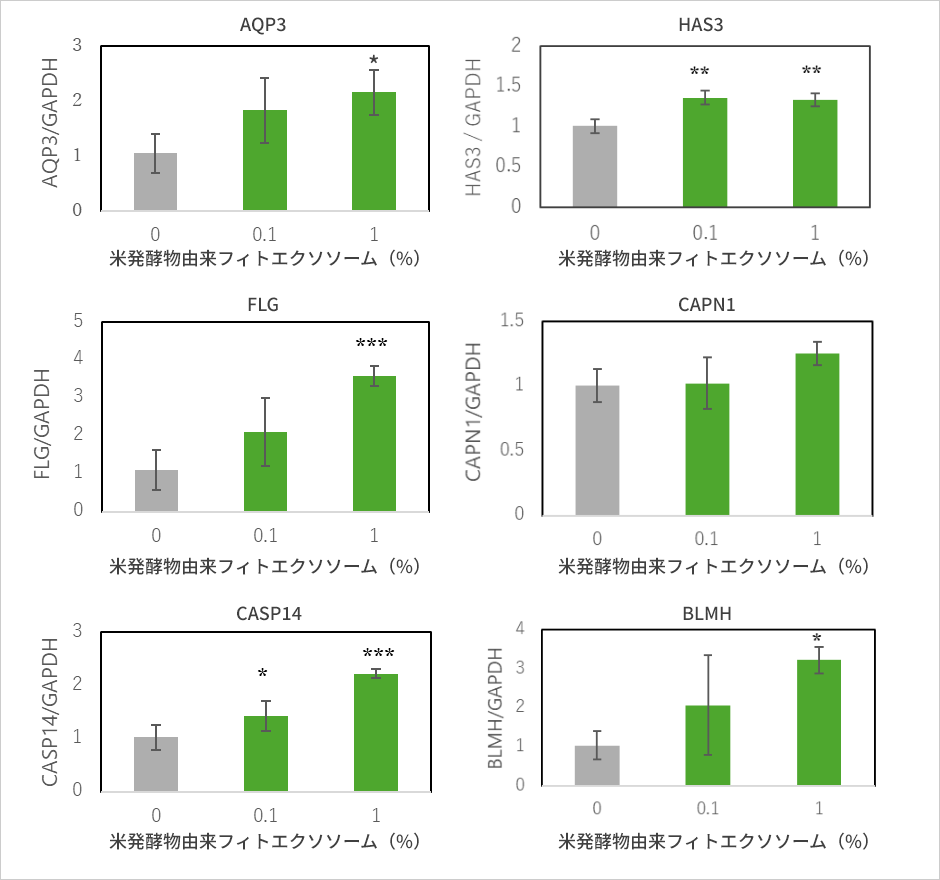
Figure 2: Promotion of moisturizing gene expression by phytoexosomes derived from rice fermentation product.
<Testing Method>
Phytoexosomes derived from rice fermentation were added to normal human epidermal keratinocytes or three-dimensional cultured human epidermal keratinocytes. RNA was extracted from the cultured cells, and gene expression levels were measured using real-time PCR.
Expression levels were calculated relative to the untreated control (set to 1). (n=3 or 4, Dunnett test *: p<0.05, **: p < 0.01, ***: p<0.001) (Performed at Rohto Pharmaceutical Research Institute)
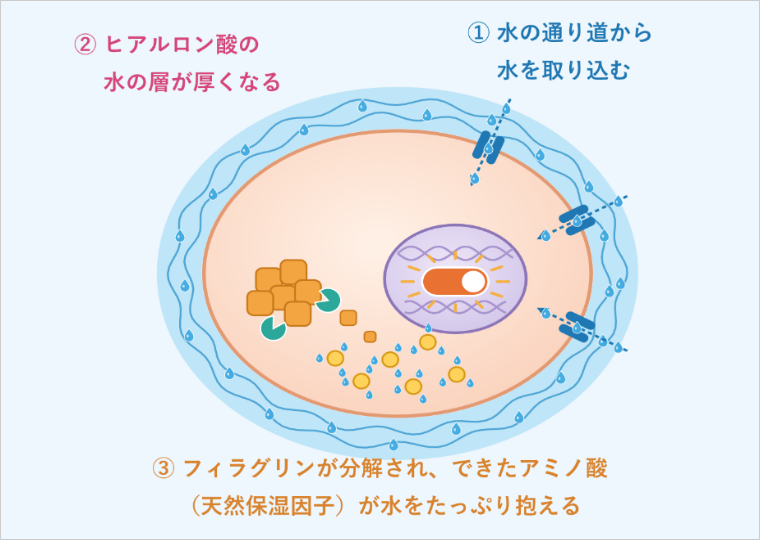
Figure 3: Three functions that support skin moisture (illustration)
Result 2: Accelerates the repair of damaged epidermal keratinocytes.
Small wounds and barrier disruptions on the skin surface are repaired by the migration and proliferation of surrounding epidermal keratinocytes to fill the gaps. After culturing epidermal keratinocytes in a sheet form, a portion of the cell layer was scratched to create wounds (scratch assay), and the cells were cultured for 24 hours in a medium containing rice fermentation-derived phytoexosomes. The reduction in wound area was approximately 2.5 times greater than that of the control, indicating a tendency for accelerated cell layer repair.
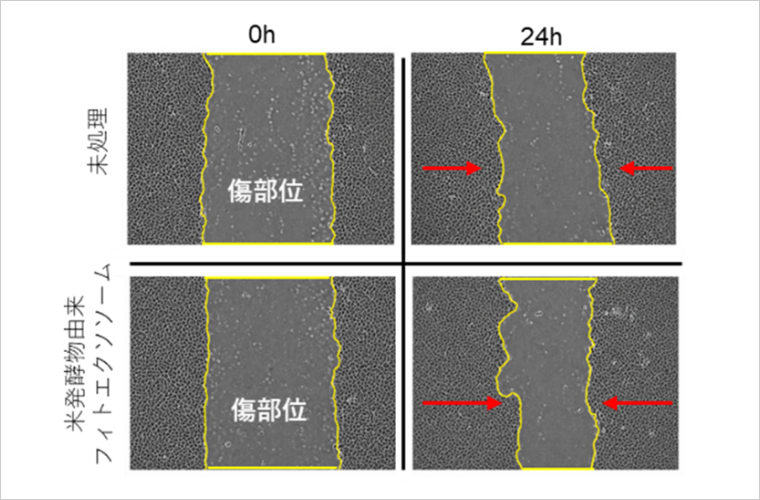
Figure 4: Promotion of epidermal cell layer repair by phytoexosomes derived from rice fermentation
<Testing Method>
Normal human epidermal keratinocytes were seeded at 1.0 × 10⁵ cells/well in 24-well plates and cultured for 24 hours. The cell layer was then scratched using a pipette tip. After washing with PBS, the cells were cultured for 24 hours in a medium containing rice fermentation-derived phytoexosomes. Live imaging was performed, and the reduction in scratch area was quantified using ImageJ. (Conducted by Rohto Pharmaceutical Research Institute)
It is believed that CD44, a hyaluronic acid receptor, is involved in epidermal repair. In this study, we confirmed the expression of CD44 in epidermal keratinocytes and found that in a system to which phytoexosomes derived from rice fermentation were added, CD44 expression increased in proportion to the concentration.
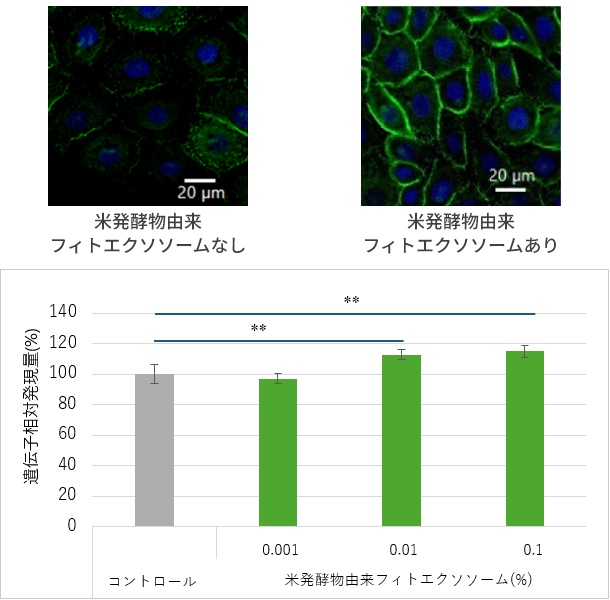
Figure 5: Promotion of CD44 expression by phytoexosomes derived from rice fermentation.
(Above image: Immunostaining of CD44 protein (green: CD44 protein, blue: cell nucleus))
(Figure below: Relative expression levels of the CD44 gene (expression levels of each group compared to the untreated control, which is set to 100))
<Testing Method>
Normal human epidermal keratinocytes were cultured with phytoexosomes derived from rice fermentation, and CD44 protein expression was evaluated by immunohistochemistry. RNA was also extracted from the cells, and CD44 gene expression levels were measured by real-time PCR. (n=3, Dunnett test **p < 0.01) (Conducted by Rohto Pharmaceutical Research Institute)
Results 3: In a 4-week human trial, an increase in skin moisture content and amino acid content in the stratum corneum was confirmed.
To confirm whether the changes observed in cells also occur in actual skin, a human trial was conducted. (Figures 6 and 7) Thirty-four healthy Japanese women aged 35 to 59 who identified themselves as having sensitive skin were randomly divided into two groups. One group used a serum containing rice fermentation-derived phytoexosomes, and the other used a serum without phytoexosomes (control) twice a day on their entire face for four weeks.
When stratum corneum samples were collected using tape before use and 4 weeks after use, and amino acids were measured, the increase in alanine, serine, and pyrrolidone carboxylic acid (PCA), which constitute natural moisturizing factors, was statistically significantly greater compared to the control group. For example, the increase in PCA was 127 ng/ cm² higher than in the control group. This result is consistent with the increase in filaggrin and its degrading enzyme gene expression observed in cell studies.
In the group using this material, skin moisture content increased statistically significantly after 4 weeks compared to before use.
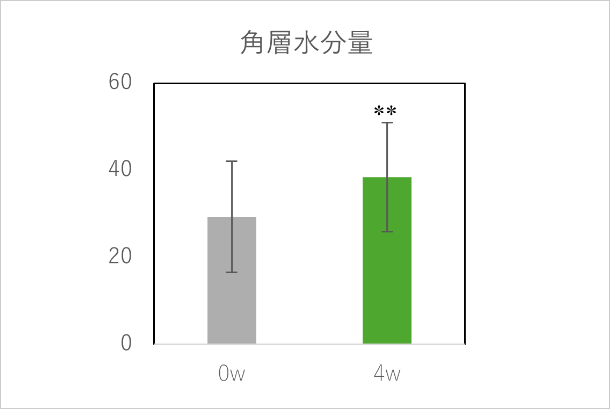
Figure 6: Changes in stratum corneum moisture content after 4 weeks of continuous use.
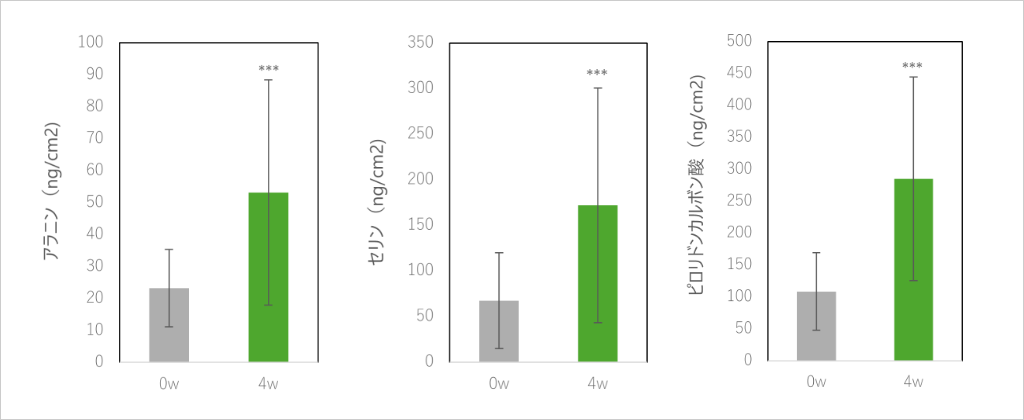
Figure 7: Changes in amino acid content in the stratum corneum after 4 weeks of continuous use.
<Testing Method>
Thirty-four healthy Japanese women aged 35-59 who identified themselves as having sensitive skin were randomly divided into two groups. They used either a serum containing rice ferment phytoexosomes or a serum without rice ferment (control) twice a day on their entire face for four weeks.
The amount of stratum corneum moisture and the amount of amino acids in the stratum corneum collected by tape stripping were quantified at the start of the test and after 4 weeks of continuous use.
(n=17, t-test **: p<0.01, ***: p<0.001) (conducted by Rohto Pharmaceutical Research Institute)
Future outlook
This study confirmed that phytoexosomes derived from rice fermentation are taken up by human skin cells, leading to increased expression of multiple genes involved in moisturizing. Furthermore, human trials showed an increase in amino acids that constitute natural moisturizing factors (NMF). These results suggest that this material may be involved not only in a single moisturizing factor, but also in multiple mechanisms that support skin moisture, including water transport, hyaluronic acid production, and NMF production.
Based on the findings obtained in this study, we will proceed with the development of skincare products utilizing this material, and also work to elucidate the mechanism of action of the cellular response confirmed in this research.
Going forward, our company will implement "Longevity" science in skincare, and based on this research, we will advance technological development for material quality evaluation and stable production, aiming to implement the research results in society.
About phytoexosome research
Under the guidance of Professor Takahiro Ochitani of Tokyo Medical University, our company has been promoting phytoexosome research.
About Dassai Co., Ltd.
Located in the mountainous area of Iwakuni City, Yamaguchi Prefecture, this sake brewery was founded in 1948. By incorporating new technologies into traditional sake brewing, they produce "Dassai," a sake known worldwide.
Terminology
*1: Rice fermentation-derived phytoexosomes: Phytoexosomes derived from "shubo" (sake starter) obtained during the sake fermentation process.
*2: Phytoexosomes: Exosome-like extracellular vesicles of natural origin, such as plants, microorganisms, and algae, excluding animals.
*3: Epidermal keratinocytes: Cells that make up the majority of the "epidermis," the outermost layer of the skin. They are born in the deeper layers of the epidermis and migrate to the surface as they mature, forming the stratum corneum. They play an important role in maintaining the "barrier function" that keeps the skin moist and protects the skin from external stimuli.