Discovery of the photoaging inhibitory effect of hyaluronic acid
- New anti-inflammatory and anti-aging mechanism of oligohyaluronic acid tetrasaccharide (HA4) elucidated -
June 6, 2025
ROHTO Pharmaceutical Co., Ltd. (Headquarters: Osaka City; President: Masashi Sugimoto) is focusing on hyaluronic acid, a component that maintains healthy skin and is present in all tissues, including the eyes and skin, and is conducting research into its diverse functions and possibilities. In a recent joint study with the Department of Dermatology, Graduate School of Medicine, Ehime University, the company conducted research into the photoaging-inhibiting effects of oligohyaluronan tetrasaccharide *1 (hereinafter referred to as HA4), an ultra-low molecular weight hyaluronic acid, and elucidated a new anti-inflammatory and anti-aging mechanism. The results of this research were presented at the 2025 SID Annual Meeting (American Academy of Dermatology) held in San Diego, USA, from May 7 to 10, 2025. The research paper was also published in the international academic journal Frontiers in Immunology.
Key points of the research
- HA4 inhibits the polarization of inflammatory macrophages, which increases in photoaged skin, and reduces the expression of inflammatory cytokines.
- HA4 improves the collagen production capacity of fibroblasts, which declines with photoaging
- Expectations are high for application in the development of skin care products containing HA4 to combat photoaging
Research Background
Focusing on "ultra-low molecular weight hyaluronic acid (HA4)"
Due to its high water-retaining capacity, hyaluronic acid has been widely used as a moisturizing ingredient in various skin care products. Furthermore, it has become clear that hyaluronic acid has diverse physiological activities depending on its molecular weight, and our company has discovered various functions, such as the suppression of inflammation caused by ultraviolet rays. *3 While numerous studies have been reported on the anti-inflammatory effects of high molecular weight hyaluronic acid, there are few studies on low molecular weight hyaluronic acid, and even fewer on the skin effects of ultra-low molecular weight hyaluronic acid, HA4.
Photoaging and macrophages have a major impact on future skin
Skin aging involves not only "natural aging" due to aging but also "photoaging" caused by external factors such as ultraviolet rays, and it has been reported that the majority of aging, particularly in areas exposed to sunlight such as the face and hands, is due to photoaging (Reference 1). Furthermore, the amount of ultraviolet rays reaching the earth's surface in Japan is increasing year by year, making the control of photoaging in the skin an important issue from the perspectives of beauty and health.
Recent research has shown that the immune response of macrophages present in the dermis plays an important role in skin photoaging. In skin with advanced photoaging, inflammation-inducing M1 macrophages *4 become dominant, resulting in an imbalance with anti-inflammatory M2 macrophages *5. This disruption in macrophage balance has a negative impact on metabolic mechanisms such as collagen production and degradation (collagen remodeling *6), and is thought to be one of the factors causing symptoms specific to photoaging, such as a decrease in skin elasticity.
HA4 leads to new skin aging control
In this study, we focused on a new mechanism by which HA4 indirectly improves collagen remodeling by fibroblasts by adjusting the polarization and properties of macrophages. This is a new approach that focuses on the process of promoting aging through interactions (crosstalk) between immune cells and fibroblasts, in addition to direct damage caused by UV rays (Figure 1).
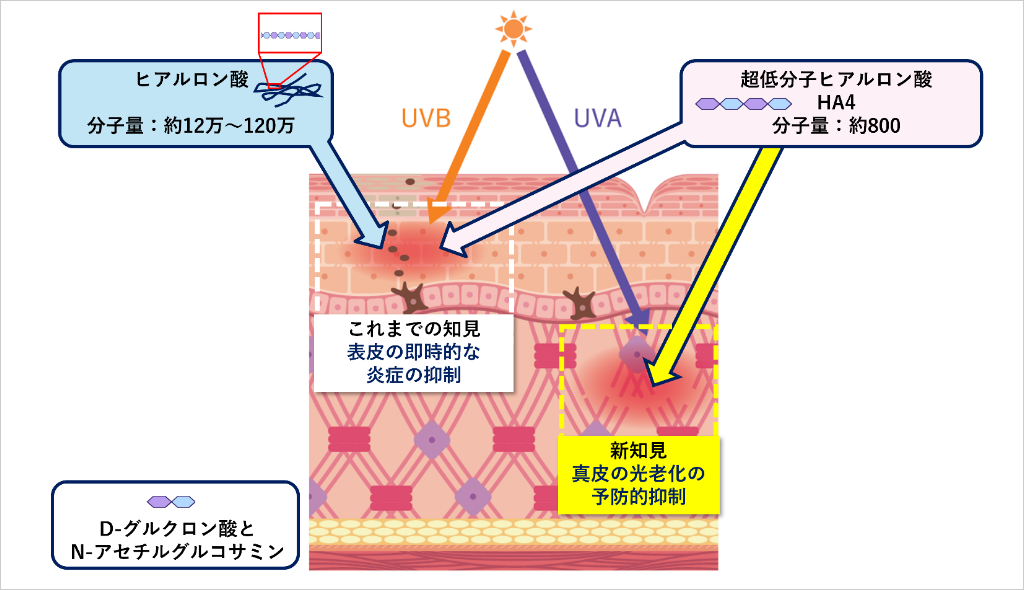
Figure 1: Effects of UV rays on the skin and the functions of hyaluronic acid
result
Result 1: HA4 partially suppresses M1 macrophage polarization and inflammatory cytokine production
First, when HA4 was added to the process of inducing polarization into inflammatory M1 macrophages, it was confirmed that the gene expression level of IL-6, a representative inflammatory cytokine in M1 macrophages, was significantly reduced (Figure 2).
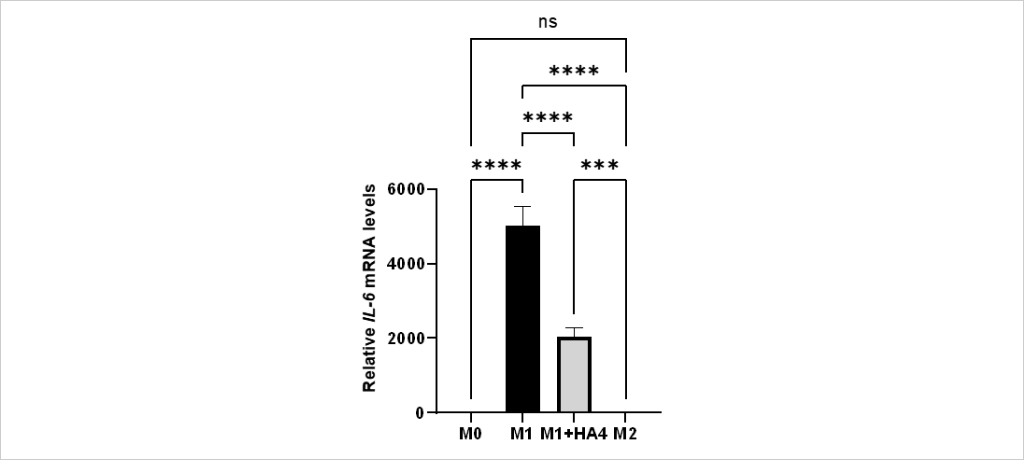
Figure 2: Comparison of gene expression levels of inflammatory cytokines (IL-6) in each macrophage group
Result 2: The mechanism by which collagen is lost in inflamed skin cells and the role of HA4 were elucidated.
Next, to verify the effects of inflammatory factors secreted by M1 macrophages, the culture supernatant (M1) was added to human skin fibroblasts. Compared to the control group where no addition was made, the expression of inflammatory cytokines (IL-6, IL-8) increased, and the expression of MMP-1, an enzyme involved in collagen degradation, also increased.
On the other hand, when supernatant derived from HA4-treated M1 macrophages (M1+HA4) was used, the expression of these inflammatory cytokines and MMP-1 was significantly suppressed (Figure 3).
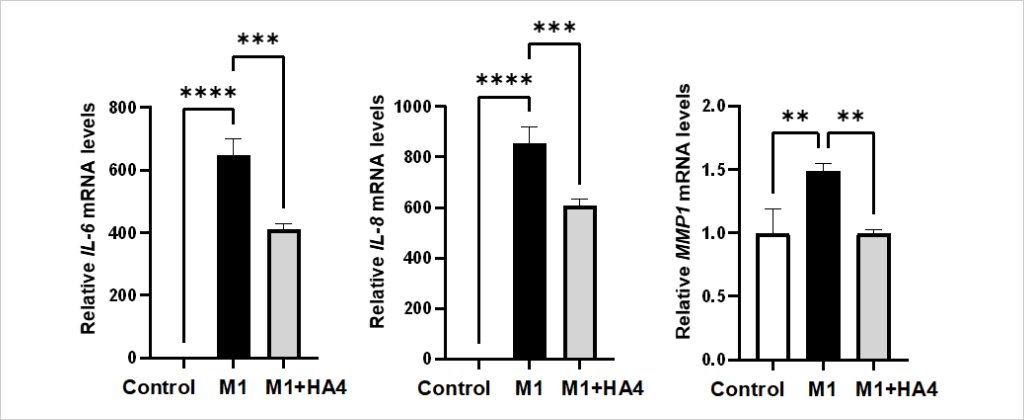
Figure 3: Comparison of gene expression levels in fibroblasts to which each macrophage supernatant was added
Furthermore, immunofluorescence staining and observation by fluorescence microscope confirmed that the amount of collagen fibers was reduced when M1 supernatant was added compared to collagen fibers produced by normal fibroblasts (control). On the other hand, it was revealed that collagen fiber formation was improved when M1+HA4 supernatant was added (Figure 4).
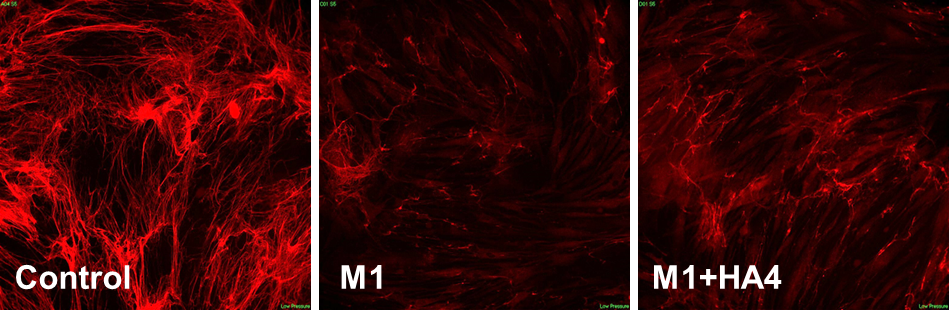
Figure 4: Comparison of collagen fiber formation in fibroblasts after addition of each supernatant
<Test Method>
Result 1
THP-1 cells, a human monocyte-derived cell line, were first induced to differentiate into M0 macrophages. Subsequently, they were polarized into pro-inflammatory macrophages (M1) and anti-inflammatory macrophages (M2). LPS and IFN-γ were added for M1 polarization, and IL-4 and IL-13 were added for M2 polarization.
To evaluate the effect of HA4, we set up a group to which HA4 was added during M1 polarization induction and a control group to which no HA4 was added, and measured the gene expression level of the inflammatory cytokine IL-6 by real-time PCR (qPCR). (n=3, One-way ANOVA, ns: not statistically significant, ***: 0.0001 < P ≤ 0.001, ****: P ≤ 0.0001)
Result 2
We evaluated the effects of an inflammatory environment on human dermal fibroblasts using M1 macrophage-derived culture supernatant (M1). After inducing THP-1 cells to polarize into M1 macrophages, the resulting culture supernatant was collected and added to human dermal fibroblasts. To evaluate the inflammatory response of the cells, we measured the expression levels of IL-6 and IL-8, as well as the collagen-degrading enzyme MMP-1, using qPCR. Supernatant obtained from M1 macrophages induced with HA4 (M1+HA4) was also added to fibroblasts using the same procedure, and various gene expression levels were compared. (n=3, One-way ANOVA, **: 0.001 < P ≤ 0.01, ***: 0.0001 < P ≤ 0.001, ****: P ≤ 0.0001)
Furthermore, collagen fibers were visualized by immunofluorescence staining and microscopic observation, and differences in the amount of collagen formed under each addition condition were confirmed.
(Conducted at Rohto Pharmaceutical Research Institute)
Consideration
This study demonstrated that HA4 has the effect of suppressing inflammation induction by M1 macrophages and the associated promotion of collagen degradation in fibroblasts.
In particular, it was revealed that inflammatory cytokines such as IL-6 released from M1 macrophages increase the expression of MMP-1 and other cytokines in fibroblasts, thereby inhibiting the formation of collagen fibers, which are responsible for skin elasticity. This finding sheds light on part of the mechanism behind the formation of wrinkles and sagging skin associated with photoaging.
On the other hand, because HA4 controls the inflammatory changes of M1 macrophages and thereby promotes the maintenance and re-formation of collagen fibers in fibroblasts, it is thought that HA4 is not just a moisturizing ingredient, but may also have new functions as an anti-inflammatory and anti-photoaging ingredient (Figure 5).
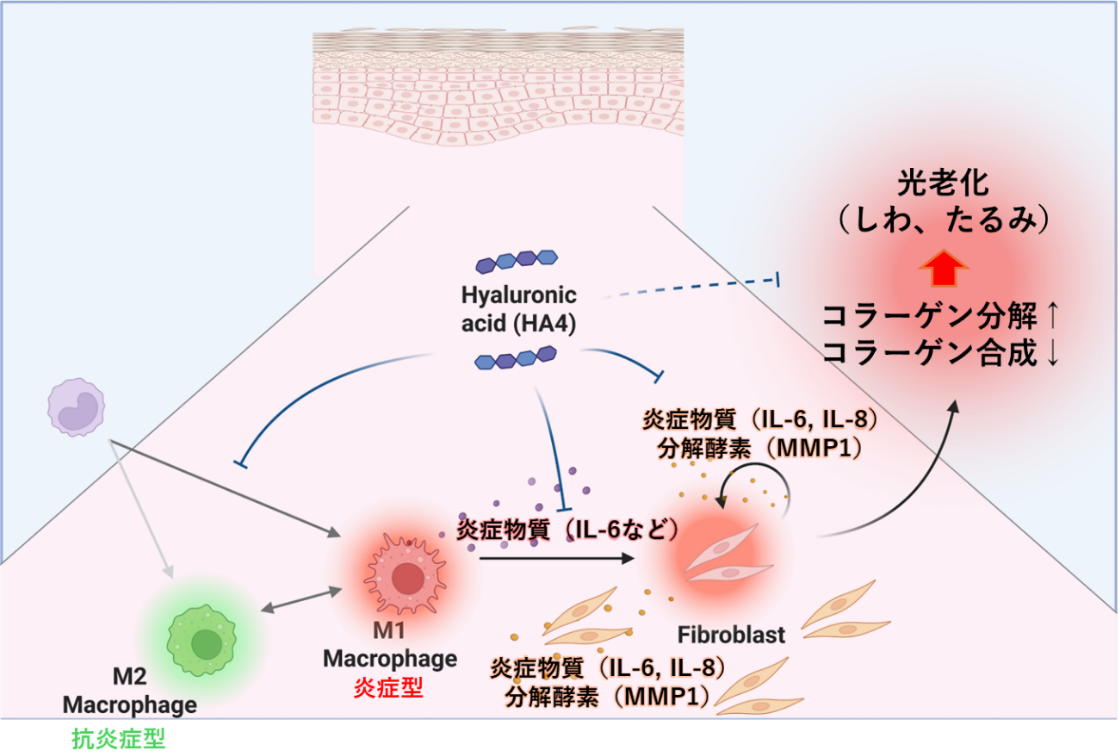
Figure 5: Graphical summary of the photoaging inhibitory effect of HA4
Impact of this research result on society (significance of this research result)
The results of this research suggest that HA4, an ultra-low molecular weight hyaluronic acid, may be applied to skin care products not only as a moisturizing ingredient, but also as a new ingredient that controls inflammation and collagen remodeling caused by photoaging.
Furthermore, by deepening our understanding of the intercellular interactions (crosstalk) in the skin that are involved in photoaging, we believe this will contribute to elucidating the mechanisms of skin aging. As this research progresses, it is expected to become the scientific foundation for maintaining healthy skin in an aging society, and it is hoped that it will contribute to improving people's quality of life (QOL) in terms of both beauty and health.
Special Notes
This research result was the result of joint research with Dr. Jun Muto of the Department of Dermatology, Graduate School of Medicine, Ehime University.
The results were published in the online version of the international open access scientific journal "Frontiers in Immunology" on June 5, 2025.
Title: Targeting Inflammatory Macrophages with Hyaluronan Tetrasaccharide: Effects on Fibroblast Collagen Degradation and Synthesis
Authors: Eiko Uno, Florence Kim, Mihoko Yoshino, Yasunari Sato, Masao Hashimoto, Kenji Watanabe, Yoichi Mizukami, Jun Muto
https://www.frontiersin.org/journals/immunology/articles/10.3389/fimmu.2025.1592751/abstract
Terminology
*1 Oligohyaluronan tetrasaccharide (HA4): An ultra-low molecular weight hyaluronan consisting of four sugars, the smallest unit of hyaluronan. Because it is smaller than regular hyaluronan, it is thought to have high permeability to the skin and unique physiological activities.
*2 Photoaging: An aging phenomenon caused by chronic skin damage due to ultraviolet rays. It causes wrinkles, age spots, sagging skin, and other problems, and progresses through a different mechanism than normal natural aging.
*3 Rohto Pharmaceutical's hyaluronic acid research release:
Suppression of UV-induced inflammatory factors by hyaluronic acid (March 2017)
Ultra-low molecular weight hyaluronic acid (HA4) suppresses UV damage (July 2020)
*4 M1 macrophages: A type of immune system cell that promotes inflammation. They are thought to be involved in the inflammatory response of the skin and the aging process.
*5 M2 macrophage: A type of immune system cell that suppresses inflammation and promotes tissue repair and regeneration.
*6 Collagen remodeling: The process of adjusting the balance between the breakdown and regeneration of collagen fibers in the skin. If this balance is disrupted, it can cause wrinkles and sagging.
References 1
Reiche L, Sebaratnam D. Photoaging and Sunscreen. Research Review Educational Series. 2020. Available from: https://www.researchreview.co.nz