Scientific evaluation of the effects of natural ingredients on the intestinal environment
: Possibility of improving intestinal flora and enhancing immune function
August 6, 2025
ROHTO Pharmaceutical Co., Ltd. (Headquarters: Osaka City, President: Hidetoshi Seki) conducted an in vitro study in collaboration with Metagen Co., Ltd. (Headquarters: Tsuruoka City, Yamagata Prefecture, President and Representative Director CEO: Shinji Fukuda) to focus on the relationship between the intestinal environment and naturally derived materials. In this study, we analyzed the effects of naturally derived materials owned by our group company Eu Yan Sang (Eu Yan Sang International Ltd., headquartered in Singapore) on intestinal microbiota and intestinal metabolites using human stool samples, and evaluated functional materials based on evidence.
Key points of the research
- Evaluating the functionality of natural ingredients via the intestinal environment, taking into account individual differences
- This suggests that natural ingredients may be affected differently by individual differences in the intestinal environment.
- Multiple natural ingredients, including cordyceps and American ginseng, promote the production of short-chain fatty acids
Research Background
The intestinal microbiota contributes to maintaining not only the intestinal but also the overall health of the body, including immune function, metabolic function, and even brain function. Prebiotic materials, which serve as food for intestinal bacteria, are attracting particular attention. While naturally derived materials have been used for a variety of symptoms based on empirical evidence, there is insufficient scientific evidence regarding the mechanisms of their effectiveness. Therefore, this study aimed to examine the effects of naturally derived materials on the intestinal environment, examining their effects on the intestinal microbiota and intestinal metabolic substances from multiple angles.
result
Using the in vitro culture test "MGScreening™" using six different human feces, we comparatively analyzed the effects of each ingredient on the intestinal environment and clarified their effects on the intestinal microbiota and short-chain fatty acid production (Figure 1). While this study found that individual differences in the intestinal microbiota had a greater impact than the type of natural ingredient, it also revealed that certain natural ingredients had a common effect on each enterotype (*1) beyond individual differences (Figure 2). Short-chain fatty acids, one of the major intestinal metabolites, are known to have a variety of health benefits, including strengthening the intestinal barrier function, regulating immune function, and improving obesity and glucose metabolism. When we examined the production of the major short-chain fatty acids in the human intestine—acetic acid, propionic acid, and butyric acid—we found different trends for each ingredient. Among the short-chain fatty acids, butyric acid not only serves as an energy source for the intestinal tract, but is also known to be involved in immune cell function and strengthening the intestinal barrier function. The sample containing Lok Mei Pa Pills (LMP) showed particularly high butyric acid production, which suggests that the product may be useful for enhancing immune function and improving the intestinal environment (Figure 3).
*1: Enterotype: An index that represents the characteristics of an individual's intestinal flora. Regardless of race, the intestinal flora of people in Western and Asian countries is classified into three types, each dominated by the genera Bacteroides, Prevotella, and Ruminococcus.
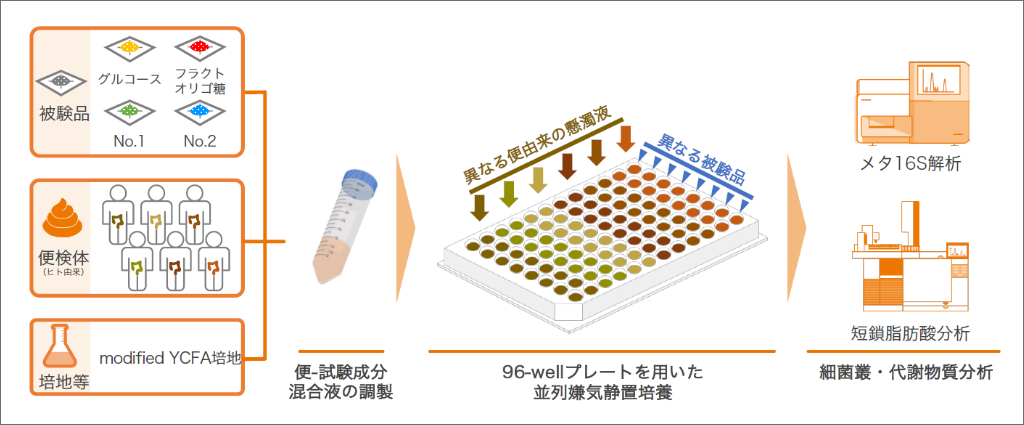
Figure 1: Overview of the in vitro human stool culture test system used in this study
Test method:
Stool samples from six subjects with different intestinal microbiota characteristics and various natural ingredients were used to prepare "stool-test ingredient mixtures," and parallel anaerobic static cultures were performed. The fecal microbiota and fecal metabolites were analyzed by meta-16S analysis and gas chromatography-mass spectrometry, respectively, and statistical and clustering analyses were performed to evaluate the effects of the natural ingredients on the intestinal environment.
(Conducted by Metagen)
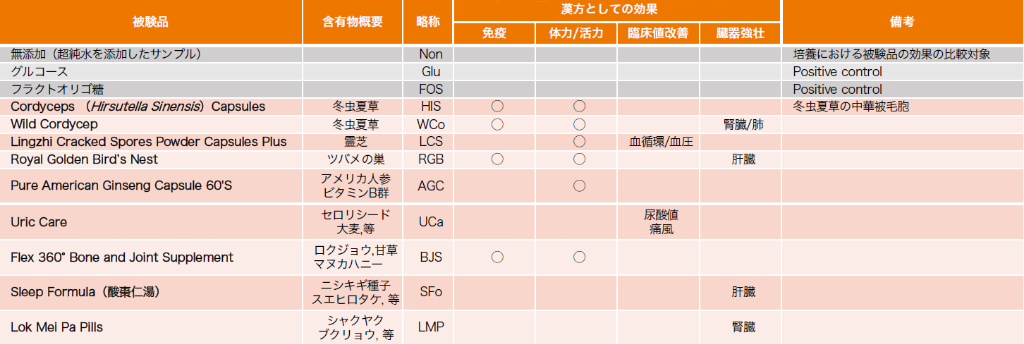
Table 1: Test items used in this study
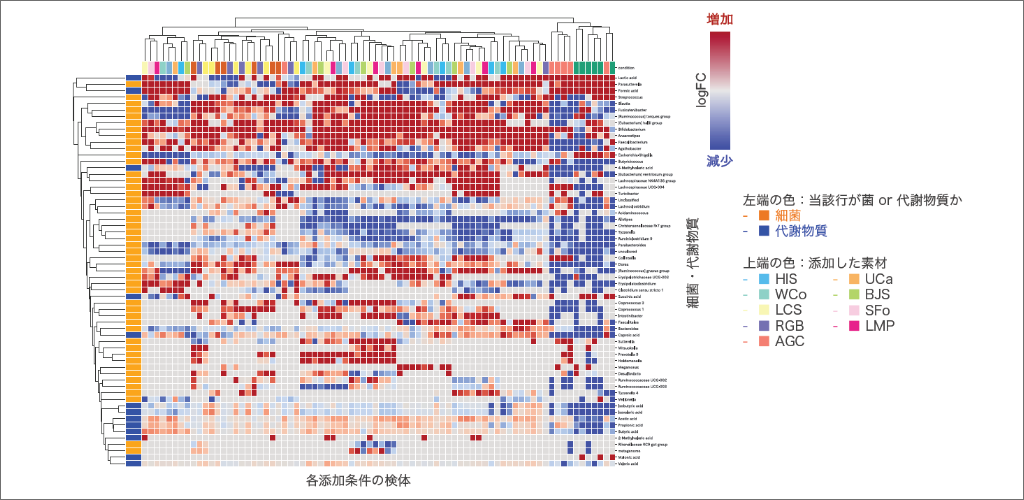
Figure 2: Effects on intestinal bacteria and intestinal metabolites in each sample compared to the no-additive condition
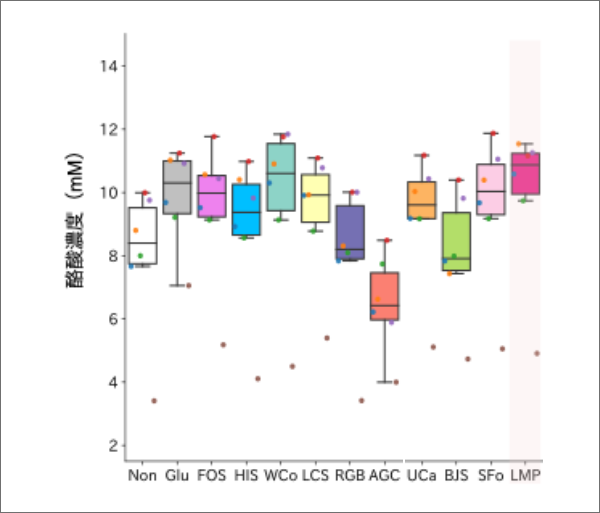
Figure 3: Butyric acid concentration in the culture medium when natural materials are cultured with human feces
Furthermore, the intestinal microbiota is influenced by factors such as diet and lifestyle, and therefore varies greatly from person to person, with responses also being known to differ depending on food ingredients, etc. The stool samples used in this study corresponded to all three enterotypes: Bacteroides, Prevotella, and Ruminococcus, allowing for an evaluation of the intestinal environment representative of a wide range of people. Therefore, the results obtained are highly versatile and are expected to have a wide range of applications, not just for people with specific intestinal environments.
Future outlook
As the personalized nutrition market continues to expand, this study has revealed, using the human stool in vitro culture test "MGScreening™," that naturally derived ingredients act on the intestinal flora, promoting an increase in the amount of short-chain fatty acids that contribute to strengthening the intestinal barrier function and regulating immune function. Going forward, by conducting human intervention trials of naturally derived ingredients and verifying their clinical usefulness through case studies, we will develop this into next-generation personalized healthcare by visualizing the intestinal environment and proposing individually optimized ingredients based on scientific evidence.
ROHTO Pharmaceutical Co., Ltd. will continue to conduct research that combines material development with a scientific approach, and apply this to the formulation and product development of functional foods, cosmetics, and other products.
Metagen Inc. will continue to work hard to make healthcare that is suited to the intestinal environment commonplace by collaborating with various companies in research and development to clarify the functions of the intestinal microbiota and commercializing the results.
Metagene Co., Ltd. Company Profile
| Company name |
Metagene Co., Ltd. |
| main office |
246-2 Mizukami, Kakuganji, Tsuruoka City, Yamagata Prefecture |
| representative |
President and Representative Director CEO Shinji Fukuda |
| Establishment |
March 18, 2015 |
| capital |
35 million yen |
| Business details |
Provision of intestinal environment research and analysis technology, research and development support, and contract analysis services |
| URL |
https://metagen.co.jp |