Rohto Pharmaceutical Conducts First Skincare Clinical Trial Targeting Elderly Patients
- Confirms that daily skincare shows a trend toward improvement in indicators related to skin frailty in elderly patients -
November 17, 2025
ROHTO Pharmaceutical Co., Ltd. (Head office: Osaka City; President: Hidetoshi Seki) is conducting research into "skin frailty," a condition in which the skin becomes excessively fragile with age, increasing the risk of skin disorders such as skin tears and bedsores, in order to realize the Rohto Group's Comprehensive Management Vision 2030, "Connect for Well-being." This time, a clinical trial was conducted on elderly subjects using a skin care product (body wash and emulsion) containing ceramide to examine the impact of daily skin care on the risk of skin frailty.
We believe that these verification results suggest that daily skin care for the elderly may contribute to the prevention of skin frailty.
Key points of the research
- A clinical trial was conducted on elderly people with dry skin, and it was confirmed that a skin care regimen using body wash and emulsion for four weeks significantly reduced the risk of skin frailty (SFC score, SRRC score) and significantly increased the moisture content of the stratum corneum.
- Confirmation that daily skin care practices among elderly people may reduce the risk of skin frailty
- Through raising awareness of preventative skin care, we aim to contribute to improving the quality of life for the elderly and to society as a whole, including nursing and care.
Research Background
Challenges of a super-aging society
Japan is becoming a super-aging society, and the shortage of nurses and caregivers is becoming more serious. Skin problems such as skin tears and bedsores are common in nursing and care settings, and treatment requires specialized techniques and a long time, placing a heavy burden on caregivers. The skin barrier function of elderly people tends to weaken due to dryness and changes in nutritional status that accompany aging, making them more susceptible to even minor irritation. To prevent these skin problems, it is becoming increasingly important to incorporate "preventive skin care" into daily routines, in addition to daily skin observations and positioning changes.
The concept of "skin frailty"
The key to preventive skin care is the concept of "skin frailty." Skin frailty is a condition in which aging and dryness cause skin fragility, increasing the risk of bedsores. It was proposed in 2019. Skin frailty is thought to be reversible (its progression can be slowed) with appropriate skin care, making daily skin care important.
Meanwhile, in an internal survey on awareness of skin frailty (n=187), over 70% of respondents said they "didn't know the term or its meaning." Furthermore, of those who "knew the term and its meaning," less than half were aware that skin frailty could be prevented. Based on these results, we believe that in order for elderly people to live healthy lives every day, it is necessary to raise awareness throughout society about the importance of preventative skin care for skin frailty.
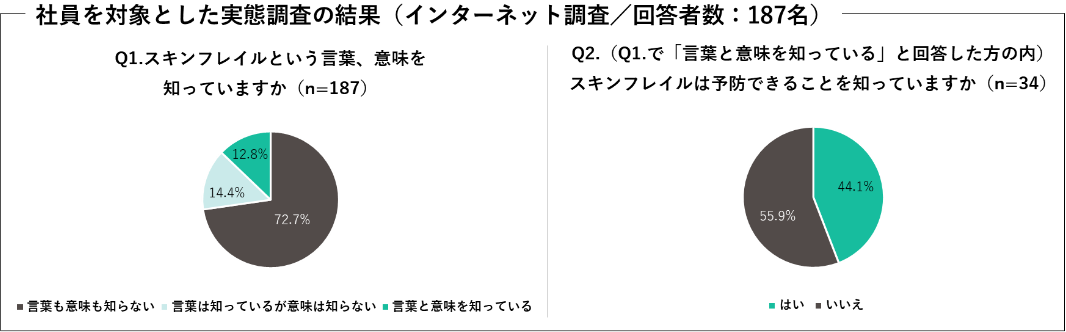
Figure 1: Results of a survey of employees about awareness of skin frailty
The importance of daily "preventive skin care"
This time, we conducted a clinical trial targeting elderly people with dry skin who do not have any skin diseases, with the aim of scientifically verifying the effectiveness of daily preventative skin care and raising awareness of its importance throughout society.
result
Result 1: Use of a skin care product containing ceramide significantly reduced the SFC and SRRC scores of elderly people with dry skin.
Use of a skin care product containing ceramide resulted in a significant decrease in SFC (Skin Frailty Screening Tool) and SRRC (Skin Dryness Score) scores after four weeks of continuous use (post-intervention) compared to the time of start of continuous use (pre-intervention), suggesting that continued use of the skin care product increased skin moisture, provided firmness, and reduced the risk of skin frailty (Figures 2 and 3).
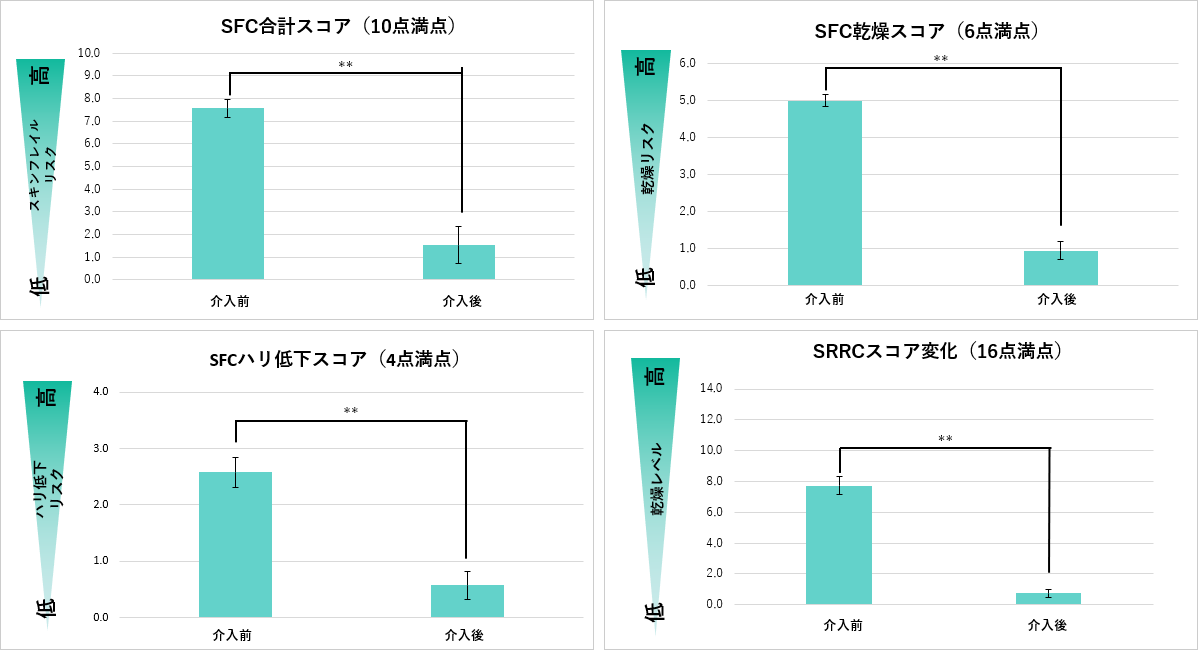
Figure 2: Macroscopic assessment by SFC and SRRC
*SFC total score refers to the sum of dryness and loss of firmness scores.
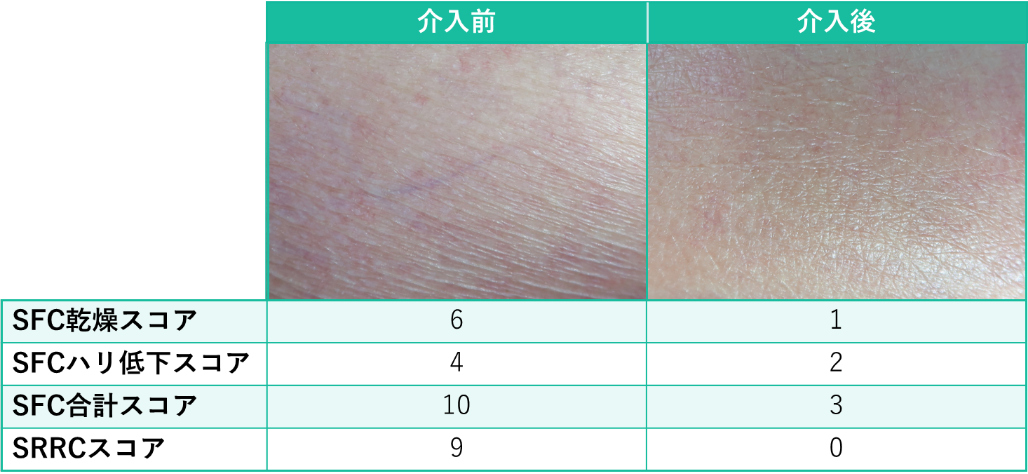
Figure 3: Example of changes in subject's SFC and SRRC scores and appearance
<Test Method>
The subjects were 19 men and women aged 65 years or older with dry skin and no skin disorders. They were asked to use the test ceramide-containing skin care products (body wash and lotion) at home. The body wash was used during bathing, and the lotion was used at least once daily. Nursing staff at an external testing facility evaluated the macroscopic findings of the forearm condition at the start of continuous use (pre-intervention) and after four weeks of continuous use (post-intervention). The SFC (Skin Frailty Screening Tool) and SRRC (Skin Dryness Score) were used for evaluation. The SFC assessed "dryness (6 items)" and "loss of firmness (4 items)" with a "yes" (1 point) or "no" (0 point). The higher the total score, the higher the risk of skin frailty. The SRRC also assessed the tendency toward dry skin. (Conducted at Rohto Pharmaceutical Research Institute) (Mean ± SE, **: P < 0.01, Paired t-test).
Result 2: Use of a skin care product containing ceramide significantly increased the rate of change in stratum corneum moisture content after intervention.
Comparing the pre- and post-intervention results, there was a significant increase in the rate of change in stratum corneum moisture content (Figure 4).
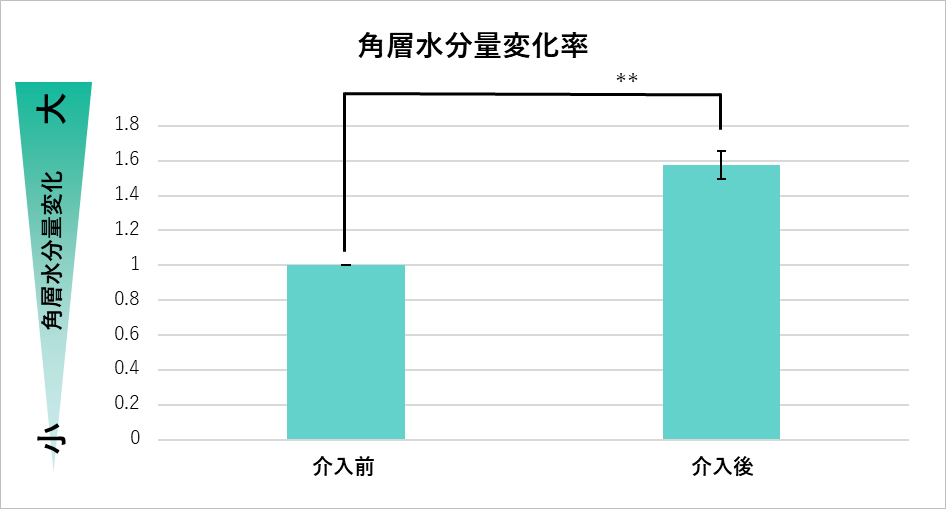
Figure 4: Changes in stratum corneum moisture content
<Test Method>
The subjects were asked to use the test products (ceramide-containing body wash and emulsion) at home, and then at the start of the test (before the intervention) and after four weeks of continuous use (after the intervention), the moisture content of the stratum corneum of the forearm was measured using a Corneometer at an external testing facility. The average moisture content before the intervention was set to 1, and the percentage change after the intervention was calculated.
(Conducted at Rohto Pharmaceutical Research Institute) (Mean ± SE, **: P < 0.01, Paired t-test)
Consideration
The results of this study suggest that continued appropriate daily skin care by elderly people may contribute to maintaining healthy skin and preventing skin frailty, and are expected to be useful in caregiving and nursing settings.
Future outlook
In the future, we aim to apply the results of this research to efforts to prevent serious skin problems. We will also continue our research while widely communicating the importance of self-skin care using daily products to society and raising awareness among the elderly about daily skin care. We aim to improve the quality of life and contribute to society by spreading evidence-based preventive skin care.
Special Notes
Part of the results of this research were presented at a seminar co-sponsored at the 27th Japanese Pressure Ulcer Society Academic Meeting held in August 2025.