A survey was conducted in Obu City, Aichi Prefecture, to investigate the current state of childhood myopia.
Approximately 90% of parents intend to take measures, but only about 50% actually do so.
—The gap between awareness and behavior is revealed—
March 27, 2026
ROHTO Pharmaceutical Co., Ltd. (Headquarters: Osaka City, President: Hidetoshi Segi) is promoting research and awareness activities related to maintaining children's eye health in order to realize the "ROHTO Group Comprehensive Management Vision 2030 Connect for Well-being". In recent years, it has been pointed out that myopia in children is occurring at younger ages and progressing earlier, and since this may lead to a risk of future eye diseases, the importance of prevention and countermeasures, including lifestyle habits during the growth period, is increasing.
Against this backdrop, we have been working with Obu City in Aichi Prefecture, which promotes proactive health promotion, on an ongoing basis through initiatives such as the "Cooperation Agreement on Eye Care Awareness in Obu City" *1.
The city and Rohto Pharmaceutical Co., Ltd. recently conducted a "Survey on the Actual State of Childhood Myopia and Parental Awareness" targeting 136 elementary school students in grades 1 through 6 residing in the city and their guardians. The results of this survey revealed that while approximately 90% of guardians recognize the need for myopia prevention measures, less than half of families are actually taking sufficient measures, highlighting a gap between awareness and action.
*1 Ongoing collaboration with Obu City
Key points of the research
- <Current Situation> Approximately 30% of elementary school students in Obu City use glasses, contact lenses, or other vision correction devices.
- <Lifestyle> Approximately half of households use digital devices for more than two hours on weekends, and about 20% spend more than two hours on outdoor activities.
- <Awareness and Action> While approximately 90% of parents responded that they "want to take measures," less than half of families are actually implementing sufficient measures.
Research Background
In recent years, childhood myopia has attracted attention as a social issue. The growth period, in particular, is a time when the depth of the eye (axial length *2) tends to increase, and is easily affected by lifestyle habits.
In Obu City, as part of its "Healthy City Obu" initiative, the city is promoting "initiatives to prevent myopia in children." As a collaborating company, we conducted this survey with the aim of visualizing the actual situation in the region and utilizing the findings for future awareness-raising activities.
*2 Axial length: The length from front to back of the eyeball. Generally, the longer the axial length, the more myopia tends to progress.
Survey Overview
This survey was conducted over two days, November 15th and 16th, 2025, targeting 136 elementary school students in grades 1-6 and their guardians residing in Obu City, Aichi Prefecture. The grade levels and gender ratios were roughly equal, and the purpose was to understand the trends among elementary school students in the city. The survey was conducted by ROHTO Pharmaceutical Co., Ltd., and responses were obtained in the form of questionnaires regarding the children's vision correction status and lifestyle habits (time spent using digital devices, time spent in outdoor activities, etc.), the guardians' awareness of their children's vision, and their awareness and implementation of measures to prevent myopia.
(Note) Due to rounding of the figures, the sum of the percentages may not equal 100%.
result
Approximately 30% have already undergone vision correction.
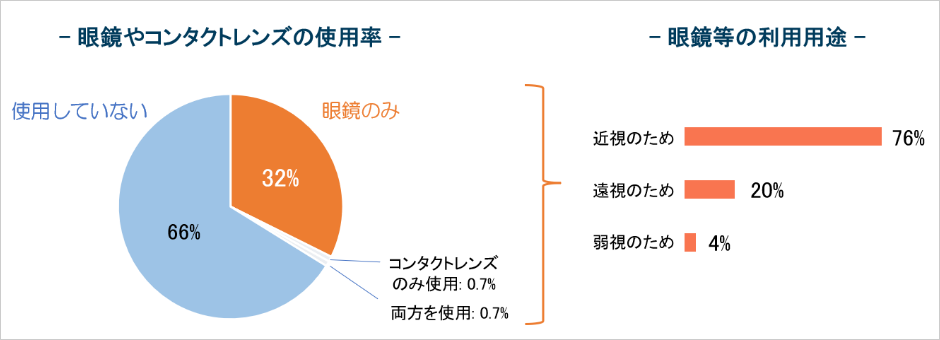
Figure 1: Usage rates and uses of eyeglasses and contact lenses
Of the 136 people surveyed, approximately 30% use glasses or contact lenses, and 70% of the reason given was "myopia" (nearsightedness). The breakdown by grade level and gender was almost equal, and this result is thought to reflect a trend across Obu City as a whole.
Overuse of digital devices and lack of outdoor activities during holidays
On weekdays, most households used digital devices such as smartphones and tablets for less than two hours, whereas on weekends, about half of households used digital devices for "more than two hours." On the other hand, only about 20% of households engaged in "more than two hours of outdoor activity," which is considered effective in preventing myopia.
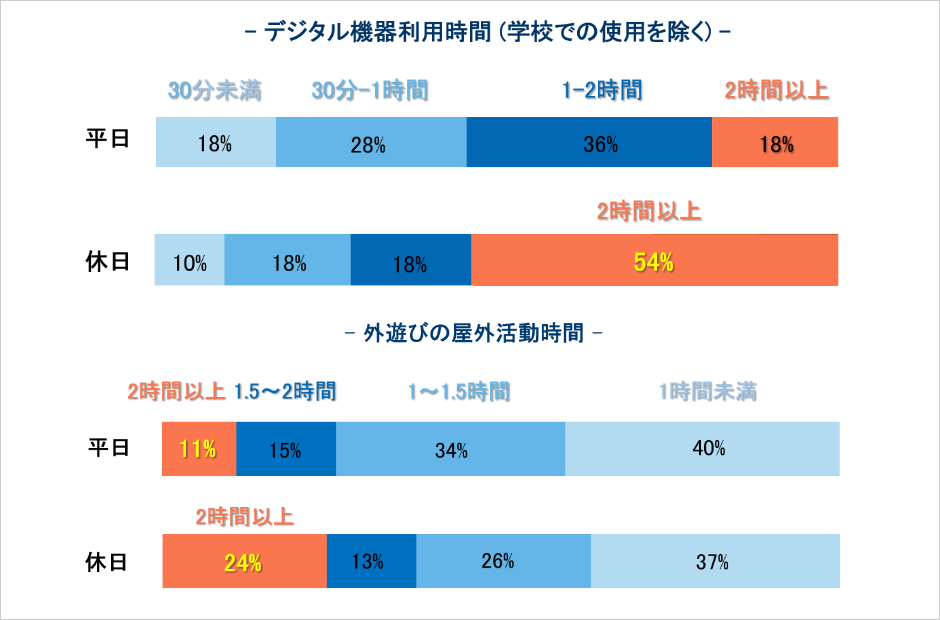
Figure 2: Distribution of digital device usage time and outdoor activity time
The gap between awareness and behavior
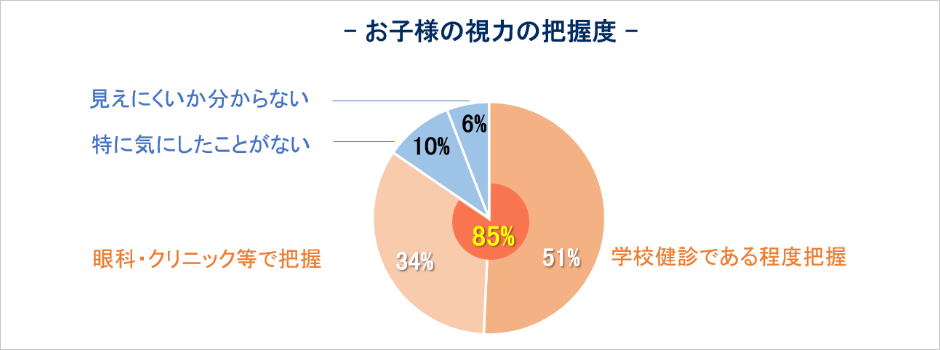
Figure 3: Degree of assessment of a child's eyesight
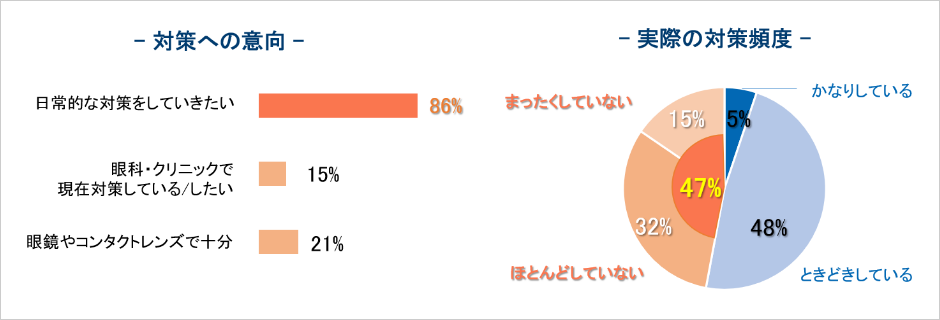
Figure 4: Discrepancy between awareness and actual implementation of myopia prevention measures.
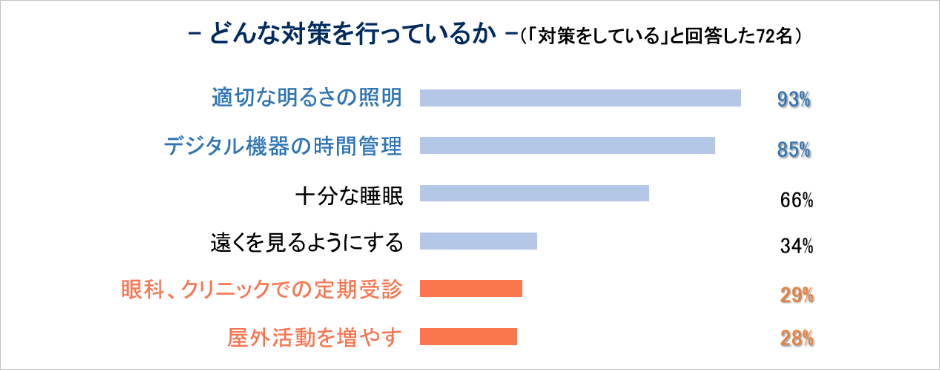
Figure 5: Myopia prevention measures implemented at home
Over 80% of parents responded that they "know their child's eyesight," confirming the high level of interest in and awareness of children's eyes among parents in Obu City who participated in this survey. Approximately half of them responded that they "report their child's eyesight through school health checkups," suggesting a tendency to rely primarily on school health checkups for detecting myopia.
On the other hand, while over 80% of respondents said they "want to take measures to prevent myopia on a daily basis," only about half actually said they "are taking measures," revealing a gap between awareness and action.
In addition, the measures actually being taken mainly consist of "adjusting lighting conditions" and "managing the time spent using digital devices," while less than 30% of respondents implemented more effective measures such as "promoting outdoor activities" and "regular eye examinations."
These results suggest that while parental interest is high, detection opportunities are heavily reliant on school health checkups, and specific, high-priority measures at home are not being adequately implemented.
Future outlook
This survey has once again highlighted the high level of concern parents have about myopia in their children, as well as the difficulty they face in taking concrete action.
Going forward, we will continue the awareness campaigns regarding myopia that we have been conducting with the city, and we will also strengthen our efforts to raise awareness of myopia prevention actions that are more family-oriented and can be easily continued, as well as to encourage the development of habits to regularly check the condition of one's eyes in daily life.
Under the slogan "Connect for Well-being," Rohto Pharmaceutical will continue to work with local communities to create an environment where children and their guardians can correctly understand and proactively protect their own eyes, thereby contributing to the development of eye health for future generations.